
Large-scale floral lantern products for commercial venues
Custom Flower & Botanical Lanterns for Garden Light Routes
Ocean Art Lantern develops large-scale floral displays for botanical gardens, public parks, resorts and commercial night attractions, planned around route anchors, seasonal storytelling, photo moments and site access.
Product selection
How should a venue choose flower lanterns for a garden route?
Start with the role each display must play: an entrance landmark, a continuous flower field, a walk-through transition, a seasonal story zone or a dedicated photo moment. Then review viewing distance, path width, planting beds, root zones, maintenance access, power locations and the available installation window. The product mix should create visual rhythm without blocking circulation or service routes. Sharing the venue plan, target season, preferred botanical themes and known site constraints helps turn a broad flower idea into a workable route composition.
Choose by route role
Separate long-view landmarks, transitions, immersive sections and dwell zones.
Choose by garden condition
Review paths, plant beds, water edges, access and maintenance routes before scale is fixed.
Choose by seasonal story
Coordinate botanical forms, color families and supporting nature elements around the event calendar.
Eight product directions
Build a garden route from distinct floral roles, not repeated decoration.
Each product direction serves a different route and visitor-experience purpose. Combine them to create arrival, continuity, immersion, seasonal character and clear photo moments.
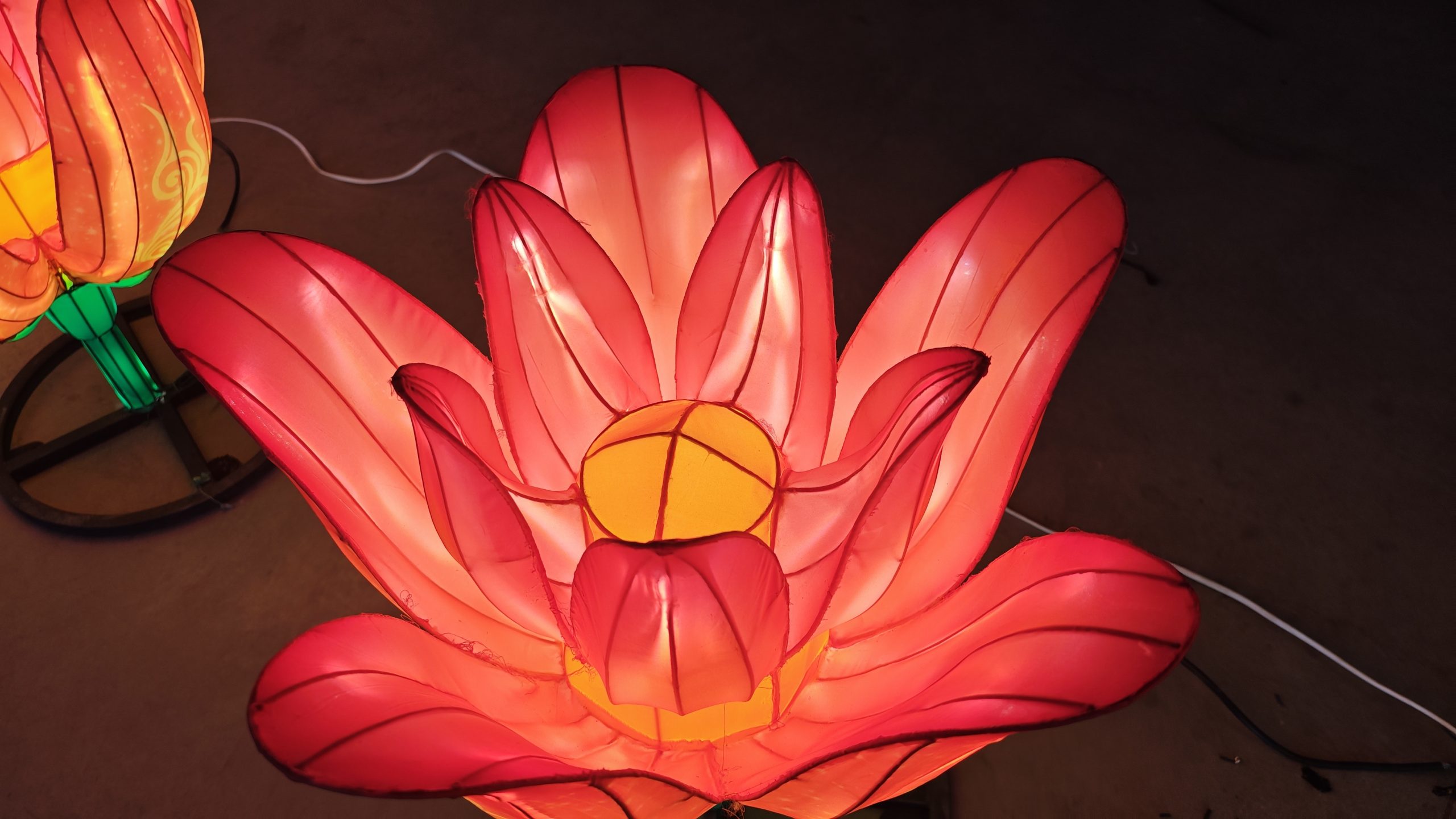
Giant Flower Centerpieces
Best used for: entrances, central lawns and long-view landmarks.
Magnolia, peony and other oversized forms establish scale and orientation. Useful inputs include viewing distance, footprint and the desired silhouette.
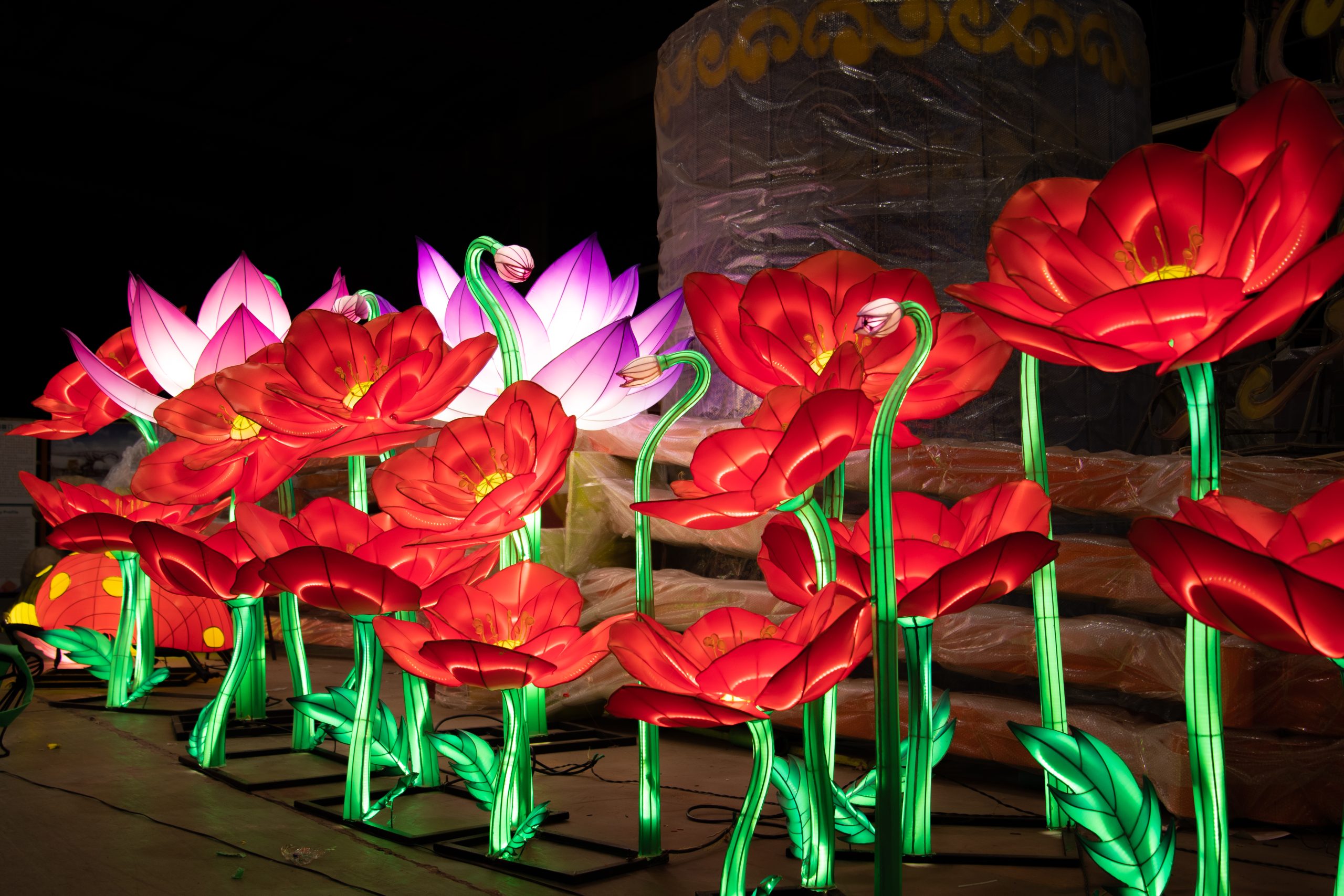
Flower Fields & Garden Borders
Best used for: route edges, transitions and broad planted zones.
Repeated tulips, poppies and alliums build rhythm along a path. Route length, plant-bed edges and service lanes guide the layout.
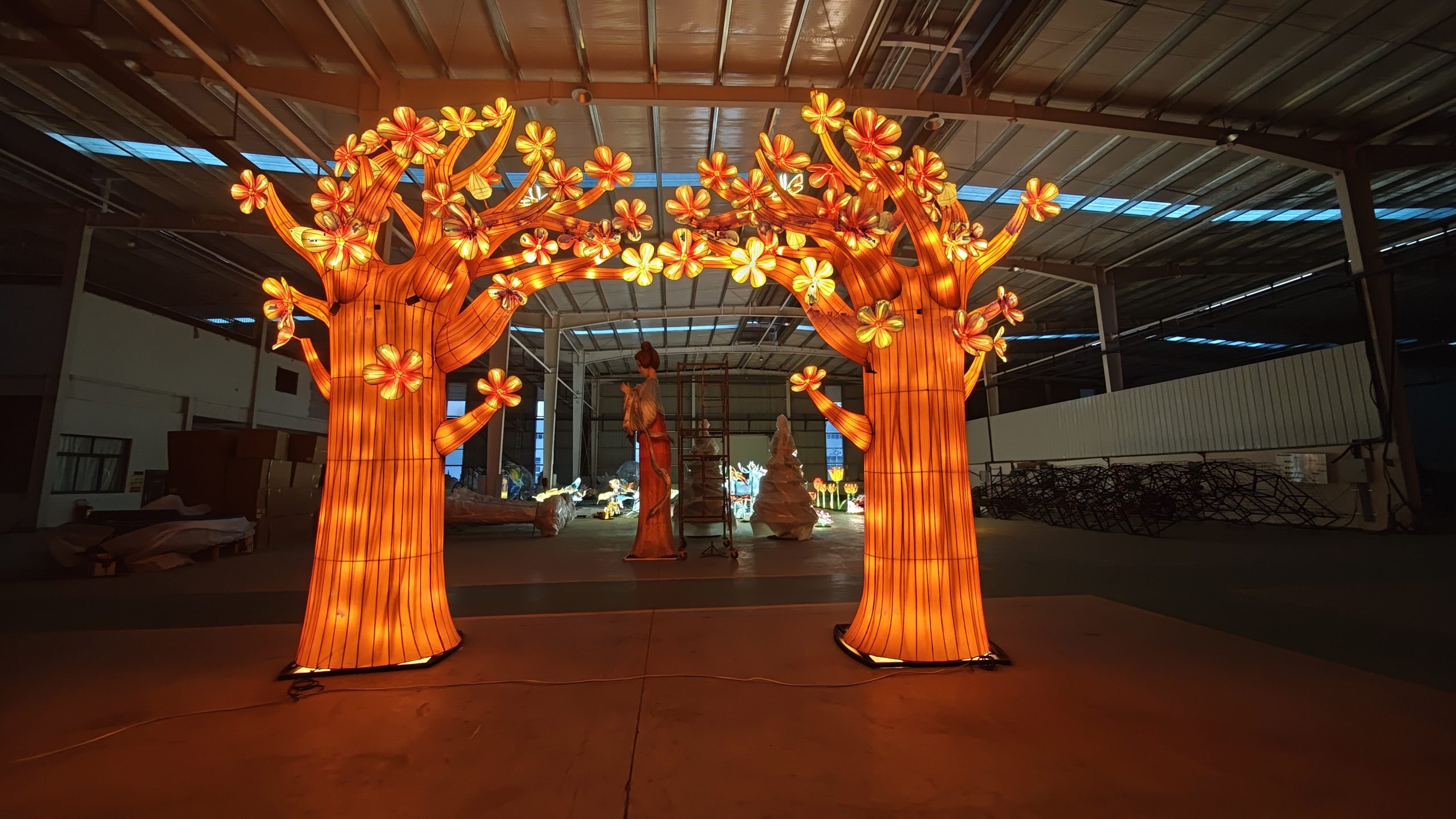
Floral Arches & Tunnels
Best used for: thresholds, immersive transitions and route reveals.
Magnolia, wisteria and leaf structures can form a walk-through sequence after clear width, height, bypass space and access are reviewed.
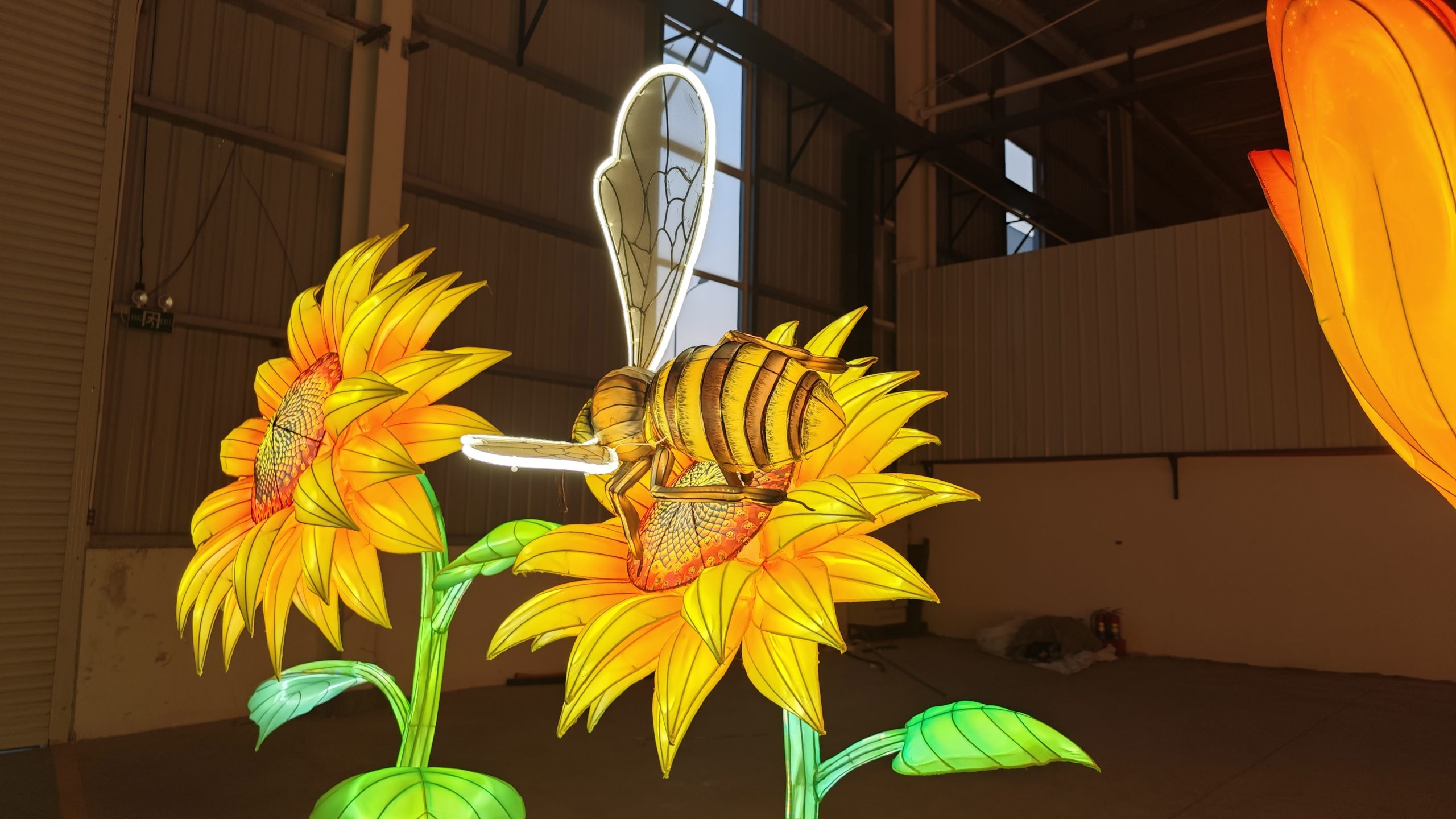
Butterfly & Pollinator Gardens
Best used for: education themes, family zones and circular viewing areas.
Butterflies, bees and flowers create a connected ecological chapter. Theme, species direction and zone size shape the composition.
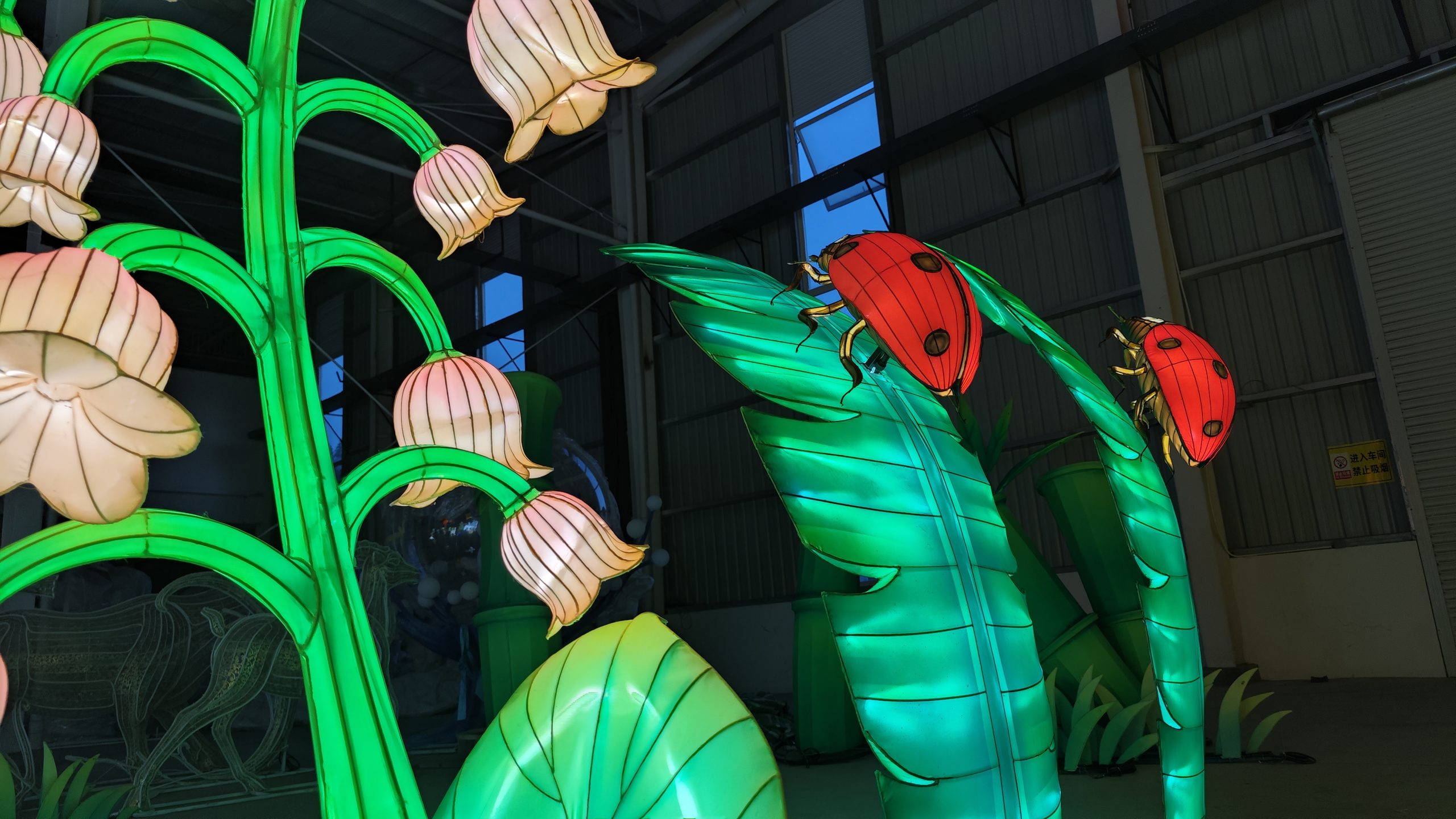
Tree, Vine & Canopy Accents
Best used for: mature tree zones, overhead rhythm and vertical transitions.
Leaves, seed pods and suspended flowers add height. Tree protection, attachment method, access and maintenance clearance require venue review.
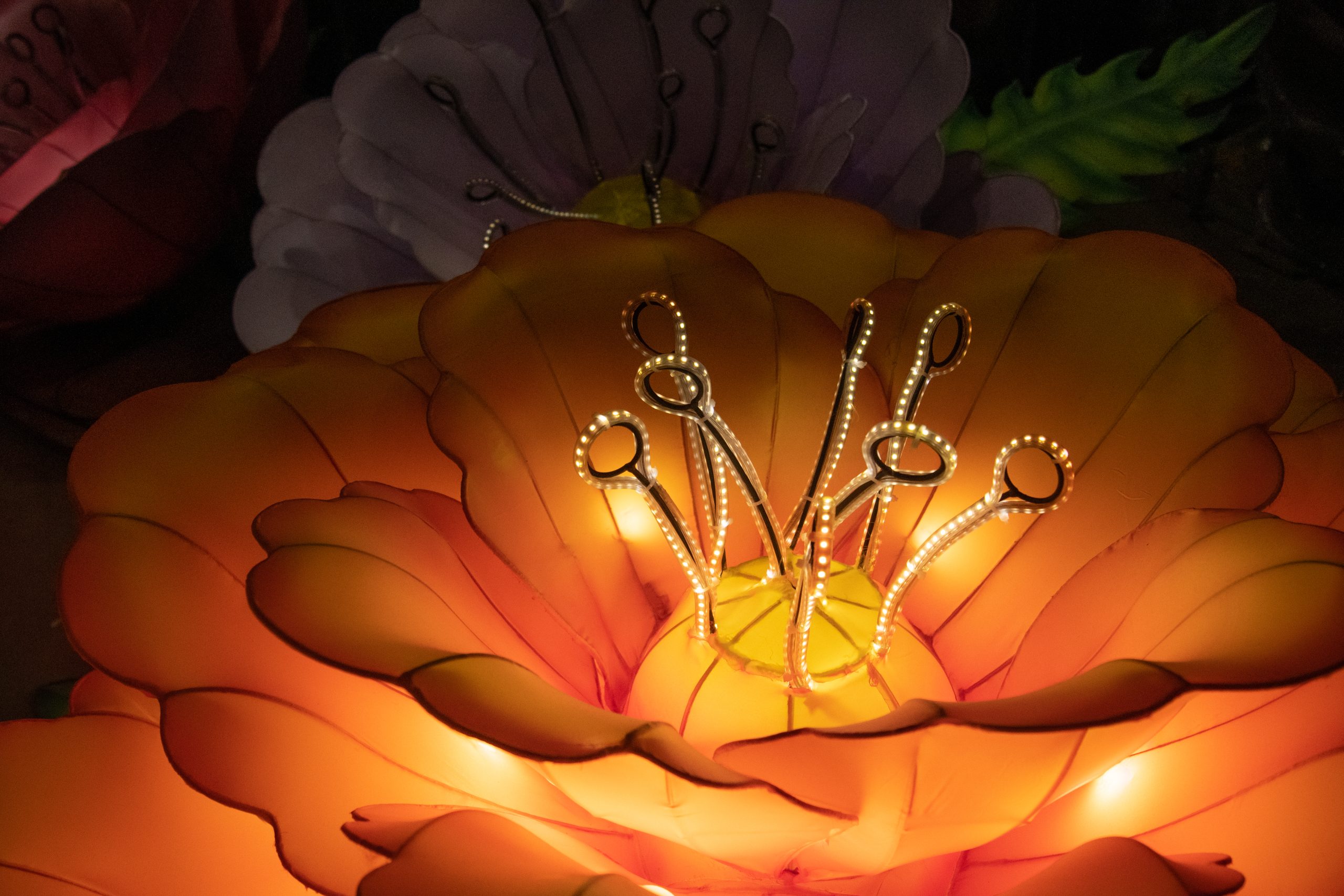
Seasonal Blossom Scenes
Best used for: seasonal programs, courtyards and changing color stories.
Blossom, dahlia and chrysanthemum forms can support a seasonal chapter. Calendar, palette and surrounding planting influence the selection.
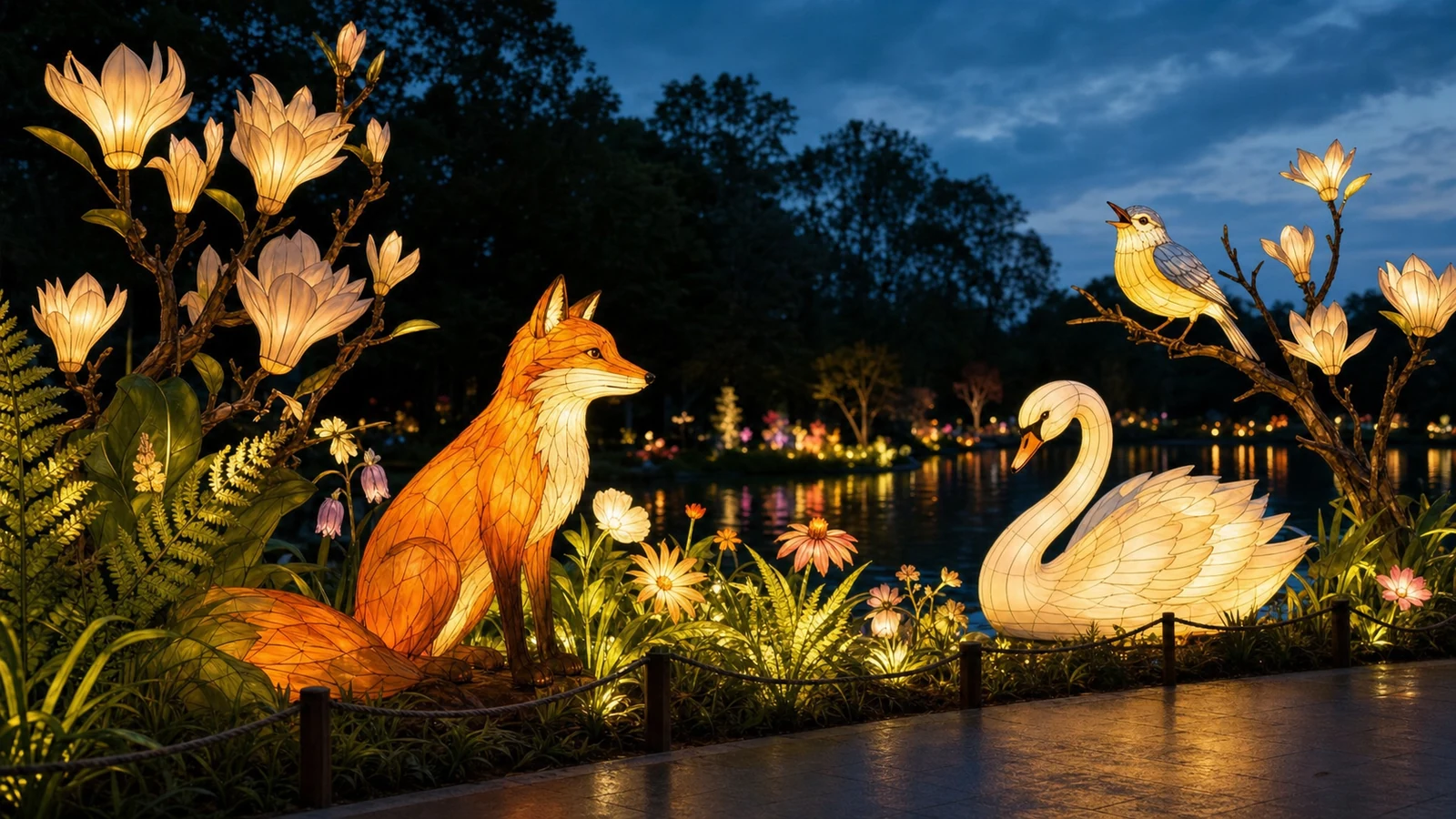
Flower & Nature Combinations
Best used for: ecological stories, lakeside zones and mixed-theme chapters.
Flowers, birds and small wildlife forms can share one scene. Product hierarchy, water-edge conditions and viewing angles guide the mix.
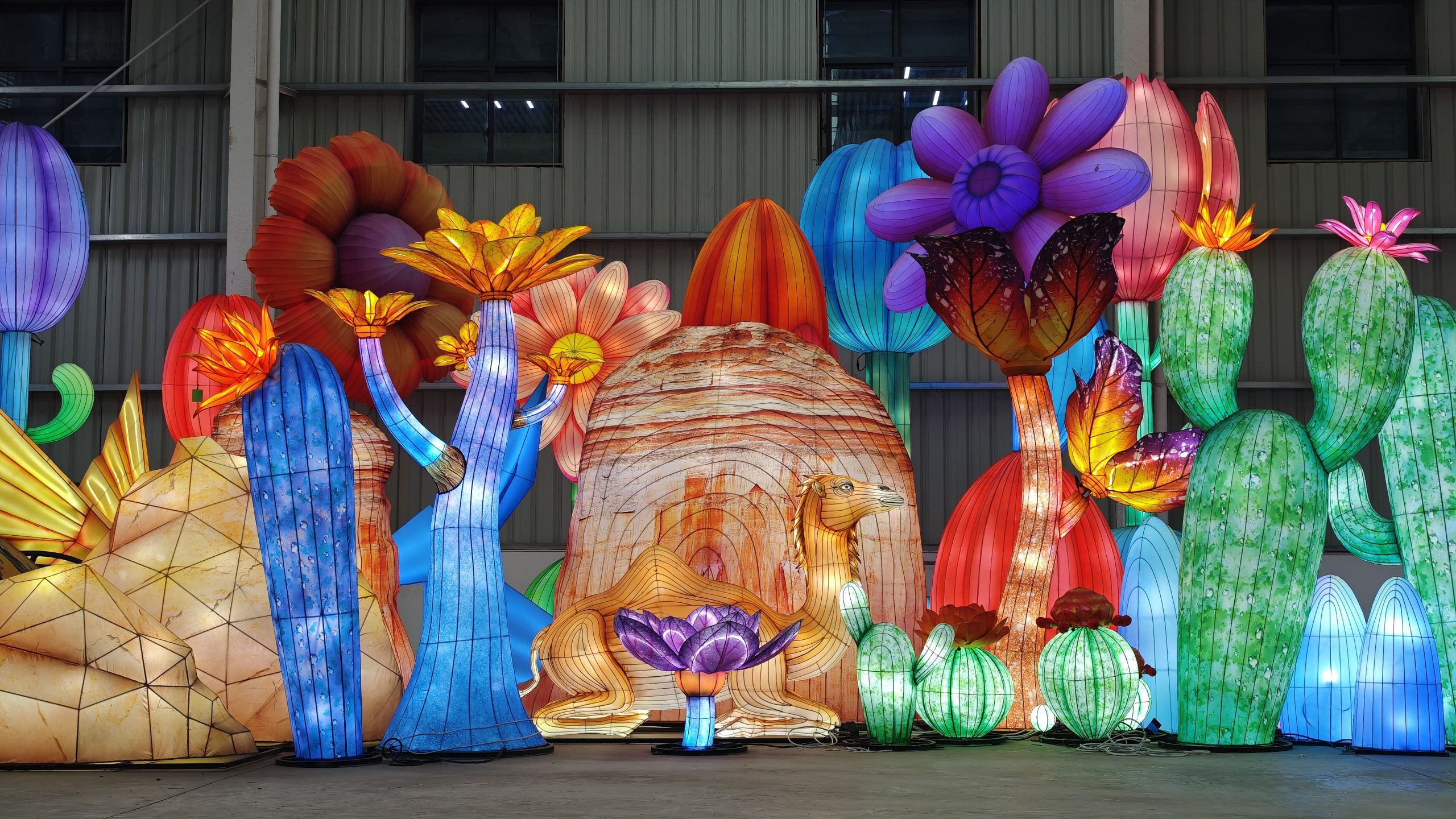
Floral Photo Moments
Best used for: resorts, sponsor zones and destination dwell points.
Camera angle, backdrop, viewing apron and bypass circulation should be considered together before the focal composition is developed.
Turn preferred flower styles into a route-ready product brief.
Share the venue, route area, seasonal theme, preferred product roles and known site constraints. Ocean Art Lantern can review the first project inputs and identify the next design questions.
Garden route roles
Use floral products to shape arrival, continuity and destination moments.
Arrival & Orientation
A giant flower or floral gateway can establish the first long-view landmark while preserving the venue’s arrival and circulation needs.
Route Continuity
Flower fields, garden borders and canopy accents carry color and rhythm between major zones without making every section compete for attention.
Immersion & Dwell
Tunnels, pollinator gardens and photo moments create deeper engagement when viewing pockets, bypass space and maintenance access are planned together.
Customization inputs
Useful information before botanical design development.
A clear brief helps connect flower species, scale, color, product quantity and modular planning to the venue. Local conditions remain part of the scope review.
Share these first-touch details
- Venue type, country, target season and intended night-route area.
- Preferred flower families, palette, story theme and product roles.
- Path width, viewing distance, plant beds, root zones, water edges and maintenance routes.
- Known access, power, storage, installation window and local approval constraints.
- Site maps, reference images and RFP documents can follow the first inquiry.
Five-step production and delivery overview
From approved botanical direction to modular, site-ready flower lantern products.
Each step connects the selected flower forms and route role to structural development, lighting, surface finish, packing and installation-support preparation.
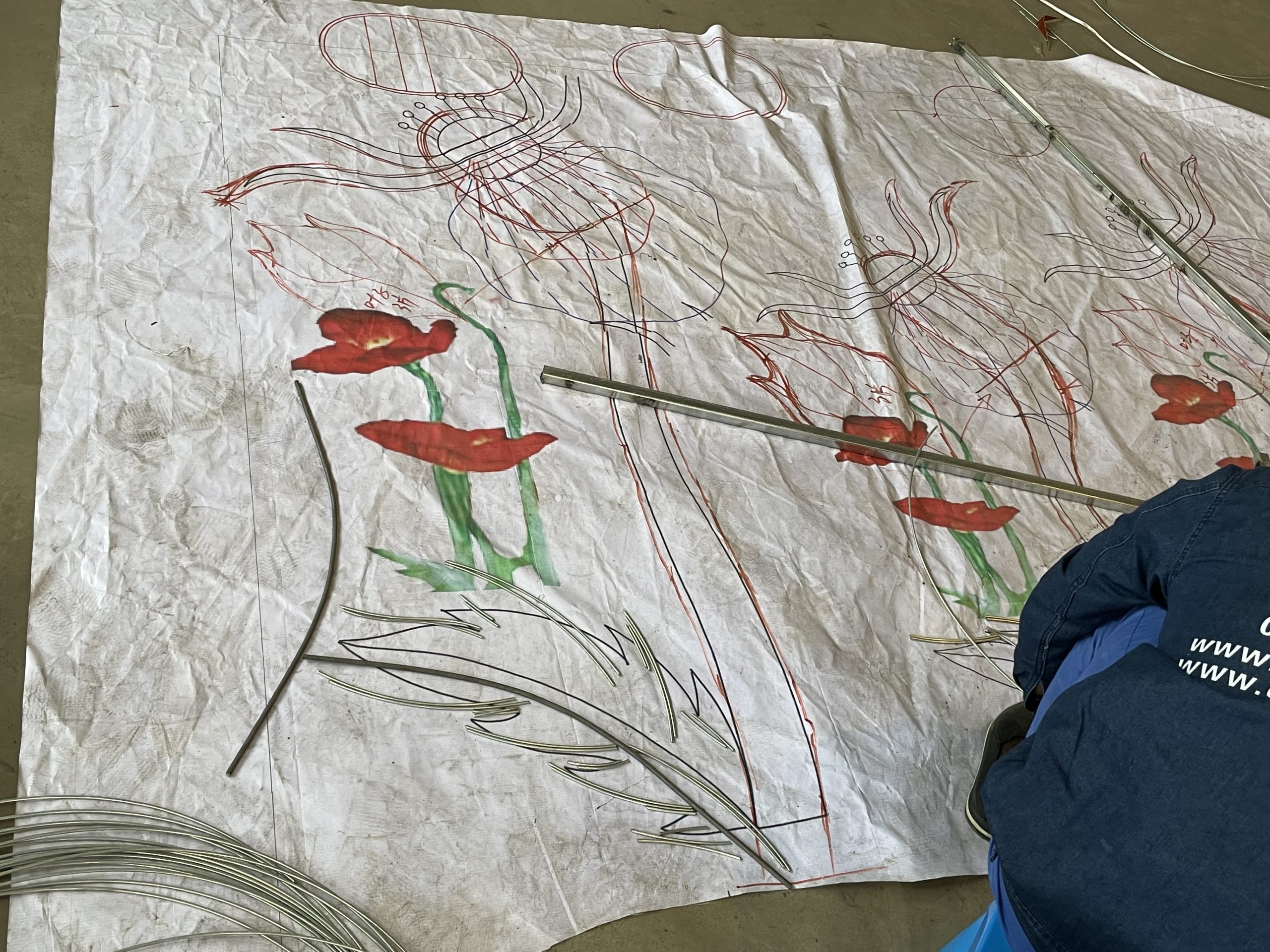
Design & Scale Models
Flower references, route role, proportion and modular assumptions are developed into an approved product direction.

Steel Frame & Modules
Petal curves, bracing, stable bases and transport divisions are shaped around the approved form and project assumptions.
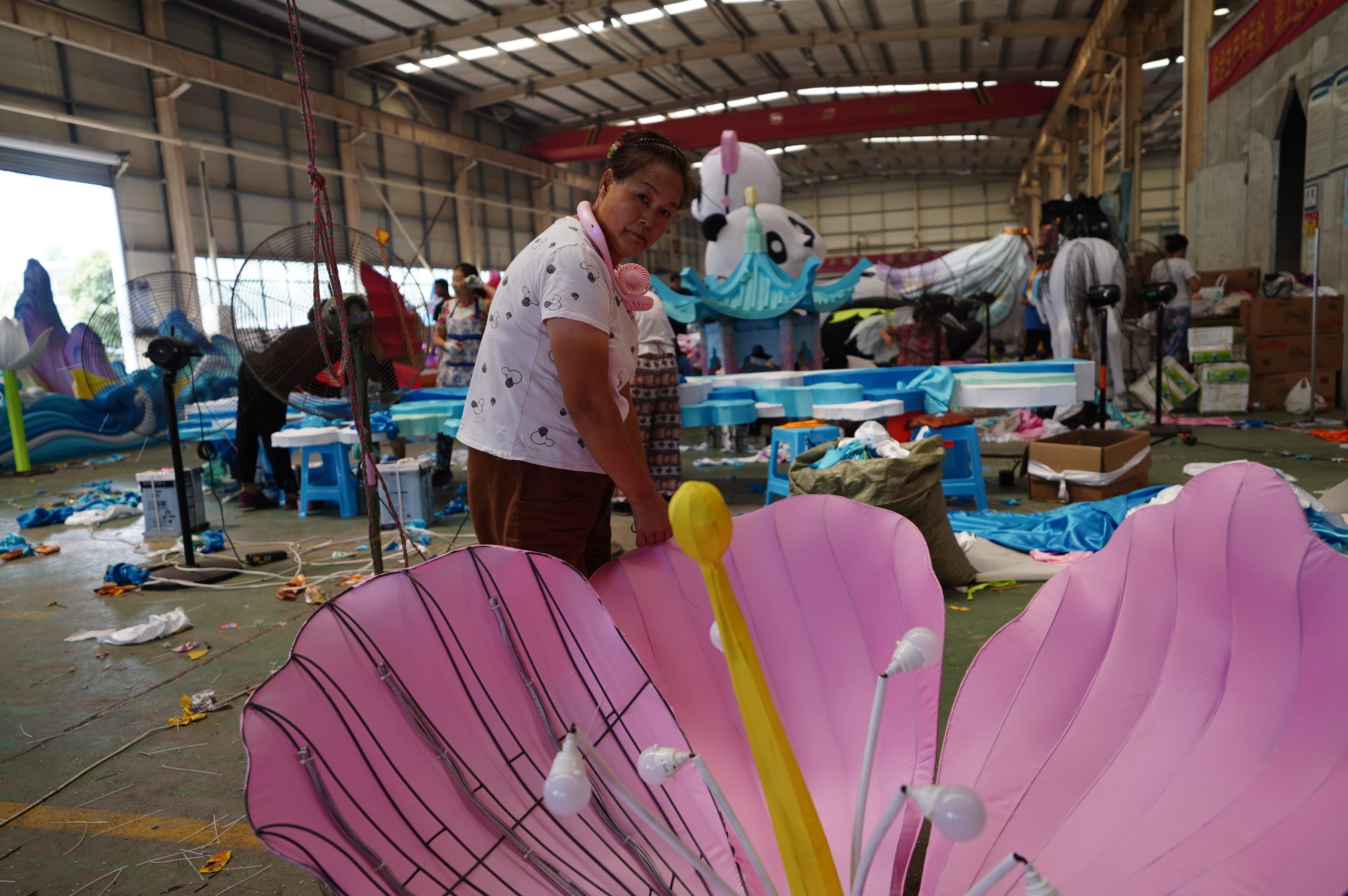
Lighting & Surface Finish
Lighting routes, translucent fabric, seam placement and painted gradients are coordinated for the approved night appearance.

Packing & Logistics Readiness
Modules and protective packing are coordinated with destination, access, handling and the reviewed logistics scope.
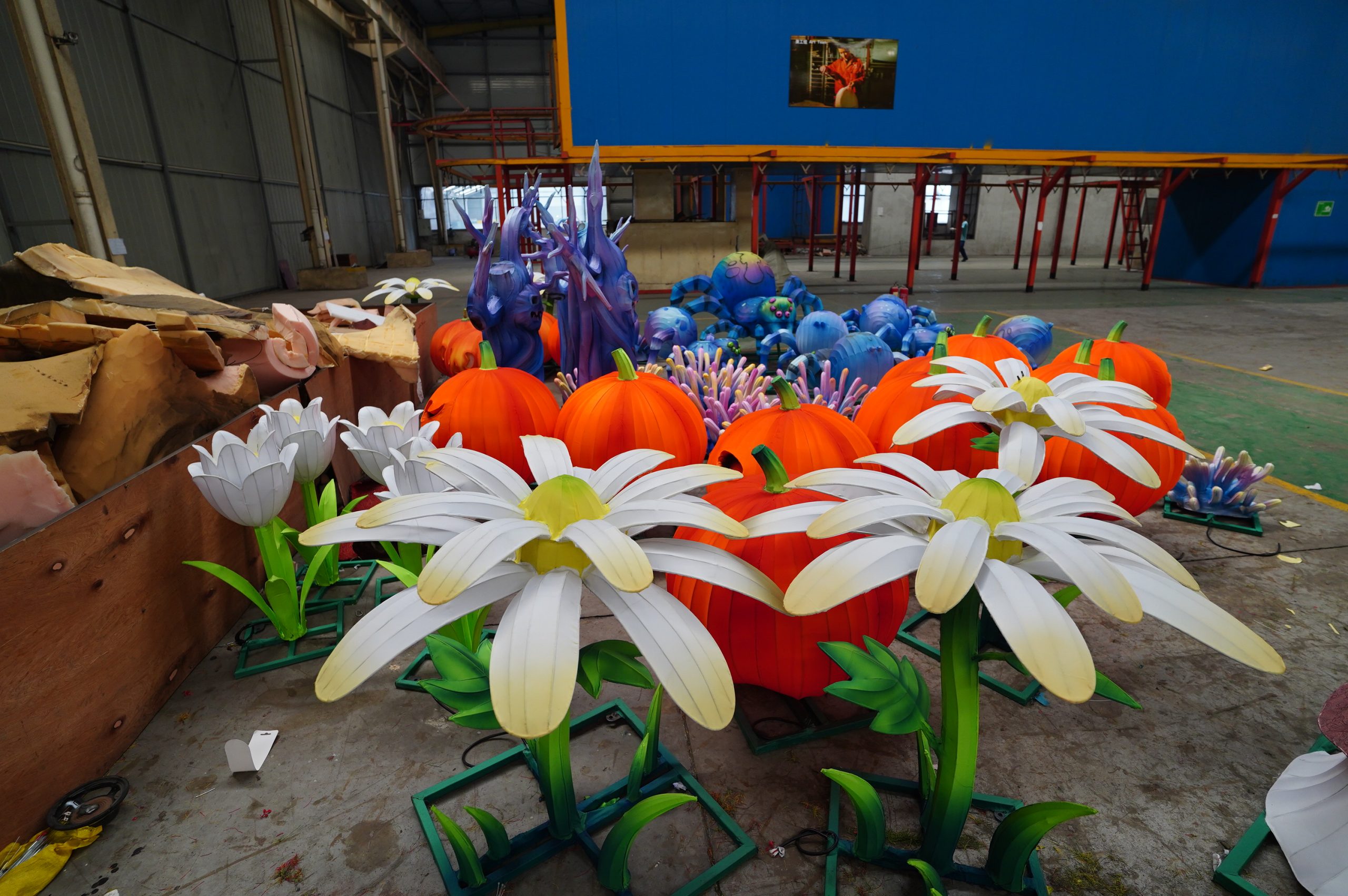
Installation Support Review
Venue access, foundations, lifting, power connection and local contractor responsibilities are clarified for the agreed scope.
Scope coordination
Protect your garden route by defining our support and local responsibilities early.
Ocean Art Lantern can support
- Flower-theme development, product composition and route-role recommendations.
- Product engineering, fabrication planning, modular packing and agreed documentation.
- Logistics and installation-support scope review based on the project brief.
Venue and local teams confirm
- Plant beds, root zones, lawn protection, water-edge rules and maintenance access.
- Utilities, local permits, public safety review, foundations, lifting and local contractors.
- Insurance, staffing, security, ticketing, crowd management and daily operations.
Project Planning Questions
Flower & Botanical Lanterns FAQ
How do flower lanterns support a garden route?
They can work as entrance landmarks, route borders, immersive transitions, seasonal story zones and dedicated photo moments. The strongest mix assigns a clear role to each product family rather than repeating the same decoration.
What site conditions change the product layout?
Path width, viewing distance, planting beds, root zones, water edges, maintenance routes, power locations, storage, access and the available installation window can all change scale, quantity and modular planning.
Can floral lanterns mix with animal or seasonal scenes?
Yes. Flowers, pollinators, birds and other nature elements can share one route chapter when the hierarchy, theme and viewing sequence remain clear. Seasonal palettes can also support the event calendar.
When should a venue review Botanical Garden Solutions?
Use the Botanical Garden Solutions page when the decision extends beyond individual flower products to the complete venue route, garden constraints, visitor flow and local operating responsibilities.
What should a venue share for an initial assessment?
Useful inputs include venue type, target season, route area, preferred flower themes, desired product roles, path and plant-zone conditions, access, power and known local constraints. The first form begins a project review; detailed commercial scope follows the relevant site and project information.
Next step
Shape a flower lantern mix around your garden route.
Share the venue, route role, target season, product interests and known site conditions. Ocean Art Lantern will review the first project context and identify the next information needed.